How to Remove Wallpaper Without Damaging Your Walls
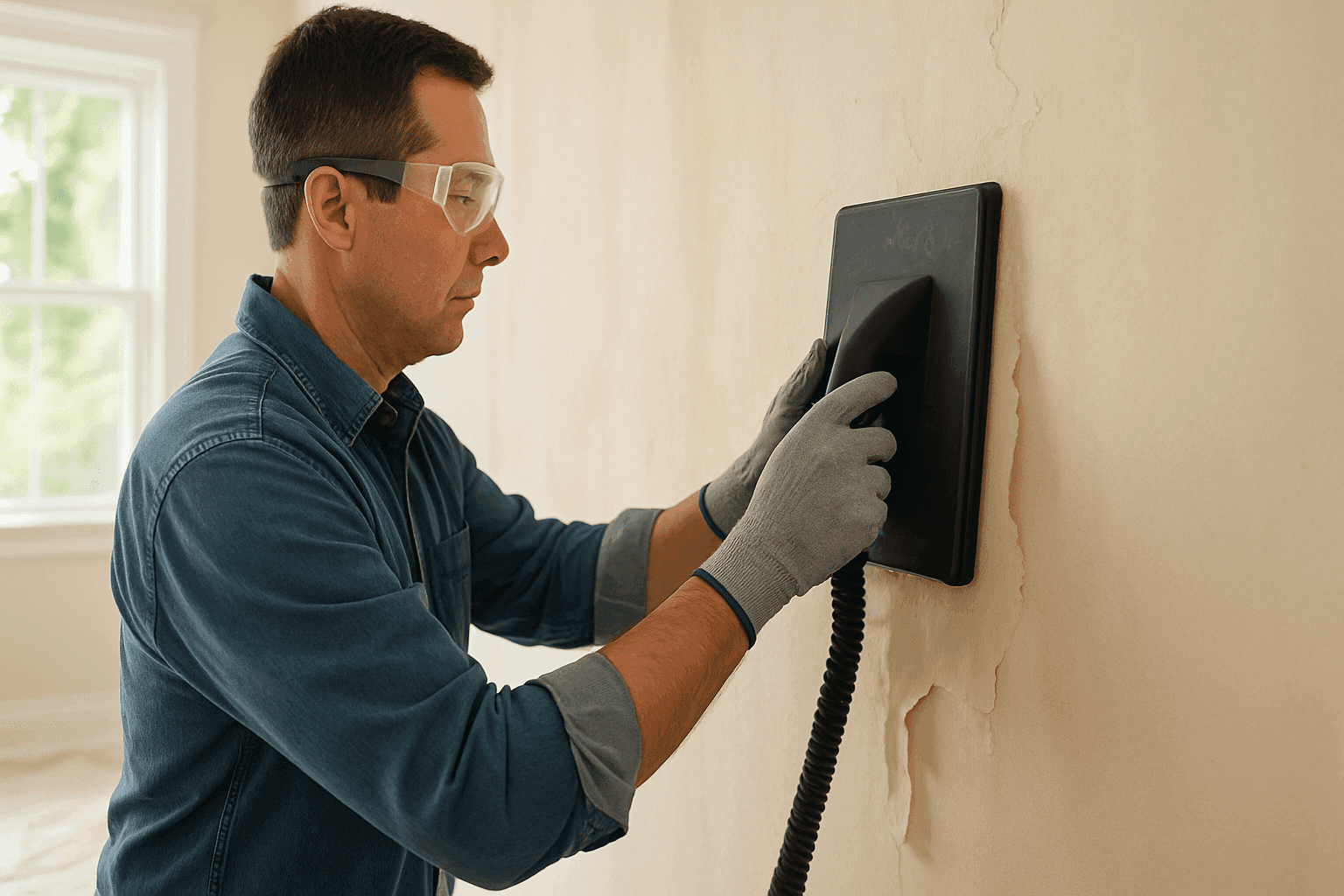
Removing wallpaper sometimes feels like a wrestling match you never wanted to enter. The stubborn bits cling to the wall like they’re holding on for dear life. Maybe you’re dreaming about a fresh coat of paint, but dreading the mess and the risk of damaging your walls.
At Hire Heather House Painting, we’ve seen every wallpaper nightmare. And we know how to guide you through removal, step by step, so your walls are ready for whatever comes next—Surface Sealing, a bold new color, or a perfectly smooth finish.
Why Wallpaper Removal Can Go Wrong
Stripping wallpaper isn’t just about elbow grease. Old adhesives, thin drywall, and hidden surprises can turn a simple project into a repair marathon. Here’s why it’s so tricky:
- Some wallpaper was hung decades ago, using glues that dissolve only with the right mix of patience and technique.
- Drywall is delicate—over-soaking or scraping too hard means gouges, tears, or even holes.
- You never know what’s underneath: previous paint jobs, crumbling plaster, or even lead paint (especially in homes built before 1978).
Think of your wall like a cake—layers matter. Peel back too fast, and you ruin the whole treat.
Quick Safety Checklist 🧤
Before you start, protect yourself and your home. The right prep is half the battle.
- Ventilation: Open windows and doors to keep air fresh—especially if using chemical removers.
- Personal Protective Equipment (PPE): Wear gloves, goggles, and a mask. Dust and old adhesives can irritate skin and lungs.
- Lead Test: If your home was built before 1978, use an EPA-recognized lead test kit before you disturb painted surfaces. The U.S. Environmental Protection Agency (EPA) and Centers for Disease Control (CDC) both warn about lead hazards.
- Cover floors and outlets: Lay down drop cloths and mask outlets to prevent mess.
- Turn off electricity: If working near outlets or switches, flip the breaker as a precaution.
Take a breath. Safety first, always.
DIY vs. Call a Pro
Wallpaper removal is a classic DIY temptation. It looks easy on TV. Sometimes it is—sometimes not.
DIY Pros:
- Budget-friendly: Just your time and supplies.
- Satisfying: There’s a certain thrill in peeling off a whole strip in one go.
DIY Cons:
- Unpredictable: You might run into stubborn glue, hidden mold, or wall damage.
- Time-consuming: A single room can eat up a whole weekend (or more).
- Risk: Over-wetting or scraping too hard means costly repairs.
When to Call a Pro (like Hire Heather House Painting):
- Old homes: If you suspect lead paint or have fragile plaster.
- Large areas: High ceilings, stairwells, or whole homes.
- Previous damage: Crumbling walls or water stains.
- No time to lose: If your project needs to move fast, or you want flawless prep for painting.
A professional brings experience, specialty tools, and insurance in case of surprises.
What Pros Do On Arrival
When we arrive for a wallpaper removal job, here’s what you can expect:
- Assessment: We check for lead paint, wall type, any previous repairs, and adhesive type.
- Surface protection: Floors, trim, and nearby furniture are covered.
- Testing: We test a small area to see how the wallpaper reacts to steam, water, or chemical removers.
- Choose the method: Based on what we find, we pick one (or a combo) of these:
- Steaming: Softens glue; great for most papers.
- Scoring & Spraying: Tiny holes let remover soak in to dissolve glue.
- Chemical removers: For stubborn, old adhesives (with good ventilation).
- Gentle removal: Scrapers used with care, not force—imagine buttering toast, not digging for buried treasure.
- Wall repair: Any dings or gouges are patched, sanded, and prepped for Surface Sealing or painting.
- Final clean: We wash off leftover residue and let the wall dry fully.
Our main goal? Leave you with a clean, smooth surface ready for anything—deck painting, mural painting, or just a classic accent wall.
Methods: Steaming, Scoring, Chemical—Which Works Best?
Let’s break down the main wallpaper removal techniques:
Steaming
- How it works: A wallpaper steamer loosens glue with hot vapor. Hold the pad against the wall, then peel.
- Best for: Thick, stubborn wallpaper or old, dried-out glue.
- Pros: No harsh chemicals; effective.
- Cons: Takes practice; can over-wet drywall if you linger too long. Wait for the “just right” moment—like pulling cookies from the oven.
Scoring & Spraying
- How it works: Score wallpaper with a tool (like a “tiger” wheel) to pierce the surface. Spray with warm water or wallpaper remover to soak the adhesive.
- Best for: Most modern wallpapers.
- Pros: Cheap tools; minimal mess.
- Cons: Scoring too deep scratches drywall; don’t rush it.
Chemical Removers
- How it works: Apply a commercial wallpaper remover to dissolve glue.
- Best for: Stubborn glues, especially in older homes.
- Pros: Can save time.
- Cons: Fumes—ventilate! Always follow the manufacturer’s safety guidelines.
Take your time. Rushing leads to torn paper, gouged walls, and regret.
How to Repair Minor Wall Damage
Even with gentle hands, you might find:
- Small gouges or tears: Fill with lightweight spackle.
- Loose paper or drywall: Trim with a sharp blade, patch, and sand smooth.
- Uneven surface: Sand lightly, wipe with a damp cloth, and let dry.
For bigger issues—like water damage or crumbling plaster—it might be time to call in professional surface preparation or drywall repair.
Prepping Surfaces for Painting
Clean, dry walls are key for a great finish. Here’s how to prep:
- Remove all glue residue: Wash with warm water and a sponge. Sticky spots can ruin new paint.
- Let dry completely: Moisture trapped under paint causes bubbles and peeling.
- Prime: Especially on patched areas or where old adhesive lingered. A good primer lays the ground for that perfect, even coat—whether you’re aiming for a bold mural or soft accent wall.
Avoiding Common Pitfalls
It’s easy to make mistakes. Here’s what to watch out for:
- Over-saturating drywall: Too much water means soft, crumbly walls. Less is more.
- Skipping wall repair: Don’t paint over problems—patch first.
- Poor ventilation: Chemical removers need fresh air.
- Ignoring hidden hazards: Lead paint is serious business. When in doubt, test.
Think of it like prepping a garden. Good soil (or walls) means healthy results.
Prevention & Maintenance
Want to avoid wallpaper woes in the future?
- Choose paint over wallpaper: Modern paints offer endless color choices and finishes—with far less hassle down the road.
- If using wallpaper: Go for removable or peel-and-stick varieties. They’re much easier to take down later.
- Surface Sealing near you: Sealed walls make future removal and painting a breeze.
Costs & Time Factors
Wallpaper removal isn’t one-size-fits-all. Here’s what impacts your project:
- Room size: A single wall might take a few hours. A whole house? Several days.
- Wallpaper type: Thicker, older papers take longer.
- Wall condition: Repairs mean extra time and cost.
- DIY vs. Pro: DIY saves money, but may cost more in repairs if things go wrong.
Plan for the long haul. Some jobs go quickly, others test your patience.
When It’s an Emergency
Sometimes, wallpaper removal can’t wait:
- Water damage or mold: Don’t delay. Wet wallpaper traps moisture, feeding mold and damaging drywall.
- Peeling in high-traffic areas: Loose paper can snag, tear, and cause bigger messes.
- Lead paint exposure: Stop work immediately if you find suspicious layers—call a certified lead paint removal specialist.
Your safety and your home’s health come first.
FAQ
Can I paint over old wallpaper instead of removing it?
It’s possible—but not ideal. Paint may not stick, and seams or texture could show through. For best results, remove wallpaper and prep the surface before painting.
How do I know if there’s lead paint under my wallpaper?
Use an EPA-approved lead test kit on a small, inconspicuous area after scoring through the wallpaper. If the test is positive, pause and consult a licensed lead paint removal professional.
Will removing wallpaper damage my drywall?
It can, especially if you rush or over-wet the wall. Go slow, use the right technique, and patch any nicks before painting.
What’s the best way to remove stubborn wallpaper glue?
A mix of hot water and a few drops of dish soap often works for leftover glue. For tough spots, try a vinegar solution or a commercial remover—always rinse thoroughly and let dry.
Local & Seasonal Considerations 🏡
- Humidity matters: Wallpaper comes off easier in warm, humid weather—just don’t oversaturate drywall.
- Older homes: In regions with lots of historic properties, be extra cautious about lead, plaster, and multi-layered walls.
- Recent renovations: If your home’s been renovated, you may encounter patches of different wall types—adjust your removal technique as needed.
Before you start painting or Surface Sealing, let the wall dry fully—especially in damp climates.
Ready for a fresh start? Whether you need wallpaper removal, surface preparation, or a complete painting transformation, Hire Heather House Painting brings skill, care, and respect for your home.
Call Hire Heather House Painting now — or reach us anytime at 877-753-7728 .