Interior Painting Cost Breakdown: What Homeowners Need to Know
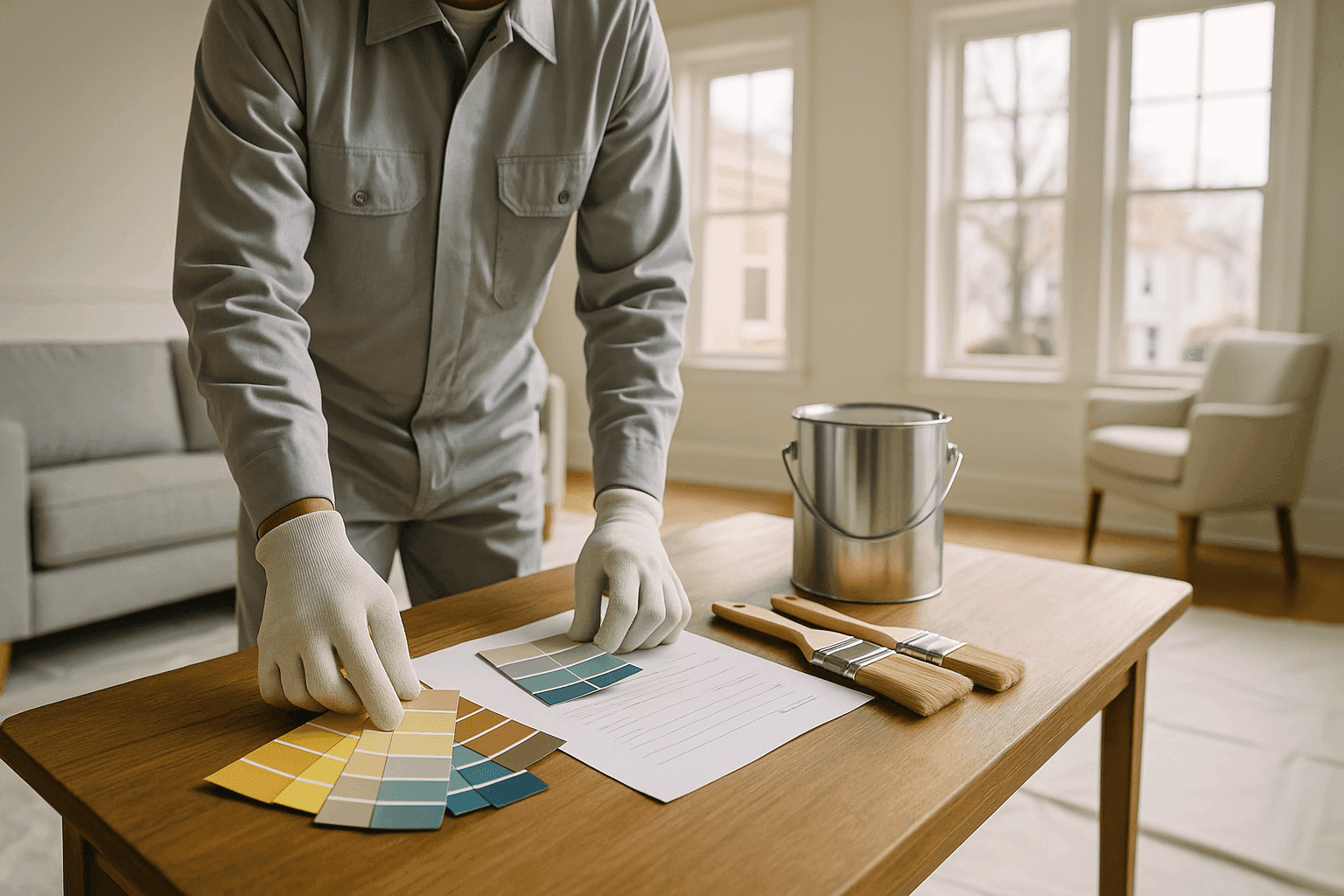
Have you ever wondered why painting quotes can be all over the place? Maybe you’ve set aside a weekend for a fresh coat, only to realize halfway through that it’s not as simple as it seemed. The real costs of interior painting—time, effort, and money—are easy to underestimate.
At Hire Heather House Painting, we get it. You want a beautiful finish, fair pricing, and no surprises. Here’s what really goes into the cost of painting your home’s interior, so you can budget confidently and avoid common pitfalls.
The Real Cost of Painting: More Than Just Color on the Wall
Interior painting can feel like buying a cup of coffee—until you see the extras. Room size, ceiling height, and even the shape of your trim are like the espresso shots and fancy flavors that add up quickly. Here’s what homeowners need to know:
- Room Size & Shape: A bedroom is not a ballroom. Larger or oddly-shaped spaces need more paint and time.
- Number of Coats: Going from navy to white? That’s not a one-and-done job. Some colors (like reds or dark blues) need more layers to cover.
- Type of Paint: Eco-friendly paint options, specialty coatings, and textured finishes each come with their own price tags.
- Surface Prep: Wallpaper removal, drywall repair, and lead paint removal can be as time-consuming as the painting itself.
- Special Features: Accent walls, murals, or intricate trim mean more detail work and often, more cost.
- Surface Sealing near you: Sealing ensures longevity, especially in high-moisture or high-traffic areas.
Painting is like baking a cake—skip a step, and the result falls flat.
Quick Safety Checklist Before Any Painting Project 🛡️
- Test for lead paint in homes built before 1978 (see EPA guidance).
- Ventilate the area—open windows and doors.
- Move or cover furniture and flooring.
- Turn off electricity at outlets and fixtures you’ll be working around.
- Use ladders safely; never overreach.
- Wear protective gear if sanding or using specialty coatings.
DIY vs. Calling in a Pro: The Real Difference
You’ve seen the videos. A roller here, a brush there, and presto—a new room! But reality has a way of making DIY painting stretch from a weekend to a week, especially if you’re juggling work and family life.
DIY
- Material Costs: Paint, brushes, rollers, trays, drop cloths, tape, and more.
- Time Investment: Prep, painting, drying, and cleanup. For a 12x12 room, expect 8–12 hours if no repairs or wallpaper removal are needed.
- Hidden Costs: Mistakes, wasted paint, extra trips to the store, and the cost of fixing drips or uneven surfaces.
Professional Painting
- All-Inclusive: Prep, painting, cleanup, and often minor repairs.
- Speed & Quality: A team can finish a job in a fraction of the time—and with fewer interruptions to your life.
- Expertise: From surface sealing to eco-friendly paint options, pros use the right materials for the space.
For most homeowners, the decision comes down to time, skill, and how much inconvenience you’re willing to tolerate.
What to Expect When Pros Arrive
Professional painters don’t just show up with a can of paint. Here’s the typical sequence:
- Walkthrough & Color Consultation: Reviewing your goals, color choices, and any special requests.
- Surface Preparation: Filling holes, drywall repair, sanding, removing wallpaper, and surface sealing near you.
- Protecting Furniture & Floors: Moving items or covering them to prevent splatter.
- Priming: Applying primer, especially when covering stains or making dramatic color changes.
- Painting: Rolling, brushing, or spraying, depending on the surface.
- Clean Up: Removing tape, cleaning brushes, and putting furniture back in place.
This process ensures a finish that lasts—and looks good up close.
Prevention & Maintenance: Stretch Your Investment
A great paint job isn’t just about today’s color. It’s about tomorrow’s easy cleaning and next year’s durability.
- Use washable paint in kitchens, bathrooms, and kids' rooms.
- Schedule routine touch-ups for high-traffic areas.
- Address leaks or moisture problems before painting; water is paint’s worst enemy.
- Consider surface sealing on wood, concrete, or metal for extra protection.
- Power washing before painting can extend the life of exterior and interior paint in certain areas.
Regular upkeep saves money in the long run and keeps your home looking sharp.
The Numbers: Interior Painting Costs & Time Factors
So what should you expect to pay? Here’s a realistic breakdown—not a promise, but a window into average ranges.
DIY Costs
- Materials Only: $200–$500 per average-sized room (12x12), depending on paint quality and surface prep needs.
- Time: One to two weekends, minimum.
Professional Costs
- Basic Interior Room: $400–$1,200 per room, depending on wall condition, paint type, number of coats, ceiling height, and extras like trim or accent walls.
- Whole-Home Interior: $3,000–$8,000+ for an average-sized house.
What Affects the Price?
- Room Size & Ceiling Height: Taller ceilings = more time, more paint.
- Surface Prep: Wallpaper removal, drywall repair, and lead paint removal all add up.
- Special Finishes: Textured, metallic, or faux finishes require extra steps and skill.
- Paint Quality: Eco-friendly, stain-resistant, or specialty coatings cost more but can last longer.
Want to save? Limit accent walls, skip specialty finishes, or handle simple prep yourself. Want it perfect? Invest in surface sealing and durable, high-quality paint.
When It’s an Emergency 🚨
Sometimes painting can’t wait—think water damage, lead paint exposure, or graffiti removal. In these cases:
- Rapid response is key to preventing further damage.
- Expect higher costs for urgent jobs, especially during peak seasons or holidays.
- For lead paint, always follow EPA lead-safe guidelines and never try DIY removal.
If you think your situation is urgent, call a professional immediately.
FAQ: Homeowner Painting Questions
How many coats of paint do I really need?
Two coats are standard. Drastic color changes or stains may require three or more, plus primer.
Is wallpaper removal always necessary before painting?
Yes. Painting over wallpaper often leads to peeling and uneven color. Removal and proper surface preparation ensure a long-lasting finish.
What’s the difference between surface sealing and priming?
Surface sealing protects against moisture or stains and is used on porous or high-traffic surfaces. Primer helps paint stick and covers existing colors or marks.
Can I use eco-friendly paint in every room?
Usually, yes! These low-VOC options are great for bedrooms, nurseries, and living areas, but always check labels for specialty rooms like bathrooms.
Local and Seasonal Considerations
The time of year changes everything. Summer and early fall? Busy season. Many homeowners want their homes spruced up before holidays or family visits. Prices can climb and schedules fill up fast.
Off-peak months—late winter or early spring—may mean shorter wait times and, sometimes, off-season pricing. Planning ahead can save you money and stress.
Humidity and temperature matter, too. Paint dries best between 50°F and 85°F. In cold or rainy weather, drying times stretch out and finishes can suffer.
Checklist: Getting Accurate Painting Estimates
- Measure your rooms (length, width, height).
- Note any repairs or special requests (wallpaper, murals, accent walls).
- Decide on paint quality and finish.
- Ask about prep work, cleanup, and timeline.
- Request a written estimate detailing labor, materials, and extras.
- Check for licensing and insurance (see your state’s contractor board).
- Don’t be afraid to ask questions—good communication prevents surprises!
Ready to refresh your home? Call Hire Heather House Painting now — or reach us anytime at 877-753-7728 .