The Homeowner’s Guide to Exterior Painting: Prep, Paint, and Protect
You love your home. But after a few seasons, the outside can start to look faded or weathered. Maybe you spot peeling paint around the windows, or the deck’s color is more “gray drizzle” than “golden hour.” If you’re thinking about painting, you’re not alone—and you’re asking the right questions.
Exterior painting isn’t just about curb appeal. It’s about protecting your biggest investment from sun, rain, wind, and time. At Hire Heather House Painting, we’ve seen just about every scenario. Let’s walk through what homeowners need to know before picking up a brush—or picking up the phone.
Why Prep Matters: The Foundation for Lasting Results
Ever tried building a sandcastle just above the waves? No matter how beautiful it is, one tide washes it away. Painting over dirt, flaking paint, or cracked stucco is much the same. Surface prep is the step most homeowners rush or overlook. But it’s what makes paint stick and last.
Key Steps in Surface Preparation
- Cleaning: Start with a clean slate. Power washing removes dust, mildew, and old cobwebs. Be gentle on wood siding—too much pressure can cause damage.
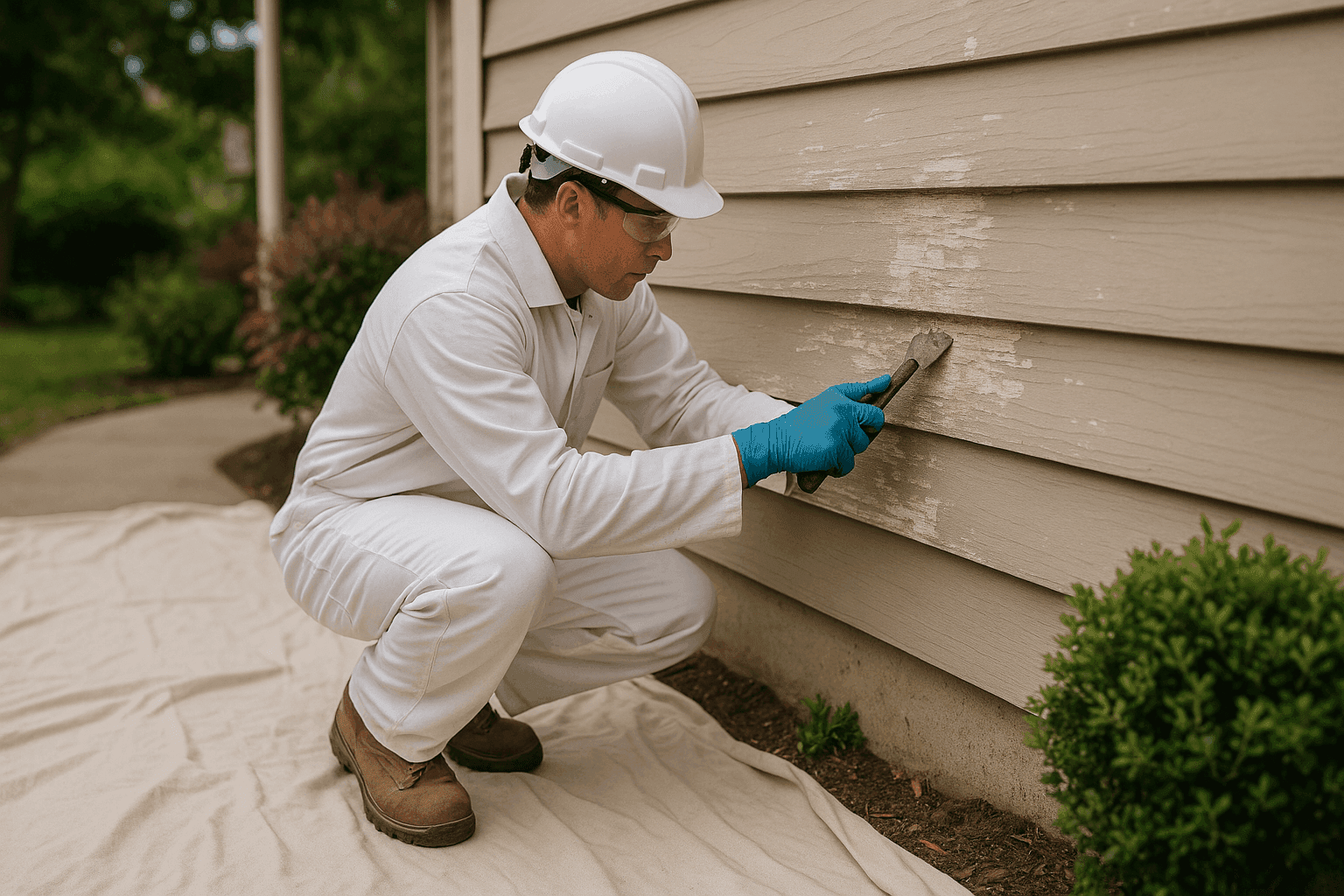
- Scraping & Sanding: Remove any paint that’s loose or peeling. A putty knife or scraper does wonders. Sand rough edges for a smooth finish.
- Minor Repairs: Fill cracks, patch holes, and fix small sections of rotten wood. Exterior spackle and caulk are your friends here.
- Drying Time: Surfaces must be bone dry before painting. Trapped moisture leads to blistering and peeling.
Think of prep like tuning up your car before a long trip. It takes extra time but pays off in reliability and peace of mind.
Quick Safety Checklist 🛡️
Painting isn’t just about color. It’s also about protecting yourself and your family.
- Test for Lead Paint: Homes built before 1978 may have lead-based paint. Check EPA guidelines and use proper removal methods—never sand or scrape dry lead paint.
- Wear the Right Gear: Goggles, gloves, and a mask keep dust and fumes out.
- Use Ladders Safely: Set them on level ground, and never overreach.
- Ventilation: If you’re painting enclosed spaces, open windows and use fans.
- Proper Disposal: Collect and dispose of paint chips, especially if dealing with lead or mildew.
For detailed safety practices, the U.S. Consumer Product Safety Commission is a solid reference.
DIY or Call a Pro? Making the Choice
Some homeowners love the satisfaction of a DIY paint job. Others would rather spend the weekend anywhere else. Here’s how to decide:
DIY Might Be Right If:
- Your house is single-story with easy access.
- The surface is in good shape.
- You’re comfortable with ladders and basic repairs.
Call a Professional When:
- There’s extensive paint failure, water damage, or lead paint.
- The home is tall, has hard-to-reach areas, or tricky architectural details.
- You want specialty finishes, surface sealing near you, or eco-friendly paint options.
- You simply want it done right, without the stress.
Remember, a professional team brings experience, specialized equipment, and safety protocols that can save time—and sometimes money in the long run.
What Pros Do On Arrival
A professional crew doesn’t just show up with paint cans. Here’s what happens first:
- Walkthrough and Assessment: They’ll check for moisture, rot, and other issues that need fixing before painting begins.
- Surface Preparation: Power washing, scraping, caulking, and priming as needed. No shortcuts.
- Material Selection: Choosing paint and coatings suited for your climate and surfaces, including eco-friendly paints or specialty coatings for stucco, wood, or metal.
- Application Plan: Deciding on roller, brush, or spray—each suited to different surfaces and finishes.
- Protecting Landscaping and Fixtures: Covering plants, decks, and hardware to prevent accidental spills.
A good crew leaves nothing to chance. They plan, prep, and paint like it’s their own home.
How to Pick the Right Paint (and Why It Matters)
Not all paint is created equal. The right choice depends on your local climate, the surface, and your goals.
Climate and Surface Considerations
- Sun and Rain: In wet or sunny areas, look for paints with UV blockers and mildew resistance.
- Surface Type: Masonry, stucco, wood, and metal all need different primers and topcoats.
- Eco-Friendly Options: Low-VOC and no-VOC paints reduce fumes and environmental impact. Perfect for families or anyone with allergies.
Finish Types
- Flat/Matte: Hides flaws but is less durable.
- Satin/Eggshell: Good balance of washability and subtle sheen.
- Gloss/Semi-gloss: Tough and easy to clean—best for trim and doors.
A little research here pays off in years of protection.
Three Painting Methods: Brush, Roller, or Spray?
Each method has its place.
- Brush: Great for trim, corners, and small details. Offers control but takes time.
- Roller: Fast and even on large, flat areas like siding or fences.
- Spray: Super-fast and creates a smooth finish, but needs careful masking and practice.
Often, pros use a mix: spraying for speed, brushing for precision.
Seasonal and Weather Timing: When to Paint
Paint likes Goldilocks weather—not too hot, not too cold. Aim for:
- Temperature: 50°F to 85°F is ideal.
- Dry Days: Avoid painting if rain is likely within 24–48 hours.
- Low Humidity: High moisture slows drying and can cause problems.
Late spring and early fall usually offer the best conditions. Check local forecasts and plan ahead.
Mistakes to Avoid
Even the best intentions can go sideways. Watch out for:
- Painting in direct sunlight (causes blistering)
- Skipping primer on bare wood or patched spots
- Rushing prep—paint over dirt, and you’re painting trouble
- Not allowing each coat to dry properly
It’s like baking bread—rush the rising, and it just doesn’t turn out right.
Prevention & Maintenance: Protect Your Investment 🏡
A quality paint job is more than a fresh look. It’s a shield against weather, pests, and time.
- Inspect Annually: Look for chips, cracks, or mildew and address them quickly.
- Wash Surfaces: Gentle power washing keeps your home clean and helps paint last.
- Re-caulk Gaps: Check around windows and doors every couple of years.
- Decks and Fences: Re-stain or reseal wood every 2–4 years to prevent rot.
Regular upkeep extends the life of your paint—no magic required.
Costs & Time Factors: What to Expect
Every home is different, but here’s what can affect the cost and timeline:
- Size & Height of Home: Taller or larger homes take more time and materials.
- Surface Condition: More prep means more labor.
- Paint Quality: Premium paints cost more but often last longer.
- Complexity: Trim, shutters, decks, or multiple colors add time.
- Weather Delays: Rain and humidity can slow things down.
Most single-story homes take 3–7 days from prep to final coat. Costs vary, but investing in quality paint and prep pays you back in years of protection.
When It’s an Emergency
Sometimes, painting can’t wait:
- Peeling paint exposing bare wood or metal: Risks rot and rust.
- Lead paint that’s chipping: Health hazard, especially for kids.
- Water damage: Signs of rot or mold need immediate action.
- Graffiti or severe stains: Quick response prevents permanent damage.
If you spot these issues, don’t delay. Some repairs can’t wait for the next sunny weekend.
FAQ: Common Homeowner Questions
How long does exterior paint last?
With proper prep and quality paint, expect 7–10 years on most surfaces. Decks and fences may need more frequent attention.
What if there’s lead paint?
Lead paint requires special safety procedures. Follow EPA guidelines and consider professional removal.
How can I make my paint job last longer?
Prep surfaces well, use the right paint, and keep up with maintenance. Shady areas and north-facing walls may last longer than sun-baked sides.
Can I paint over old paint, or does it need to be removed?
If old paint is in good shape (not peeling or cracking), clean and sand it lightly before painting. Remove any loose paint first.
Local & Seasonal Considerations 🌤️
No two neighborhoods are exactly the same. Here’s what to keep in mind:
- Coastal Areas: Salt air can wear down paint faster—choose marine-grade or specialty coatings.
- High Humidity: Look for mildew-resistant formulas.
- Cold Climates: Paint in late spring or early fall to avoid freezing temps.
- Dry, Hot Regions: Early mornings or late afternoons are best for painting—avoid midday heat.
Your local hardware store or paint supplier can recommend products suited to your area and climate.
Painting your home’s exterior is a big job, but the rewards last for years—a fresh look, lasting protection, and peace of mind. Whether you want to handle it yourself or need a hand with surface sealing near you, Hire Heather House Painting is ready to help.
Call Hire Heather House Painting now — or reach us anytime at 877-753-7728 .