How to Choose Safe and Eco-Friendly Paints for Your Home
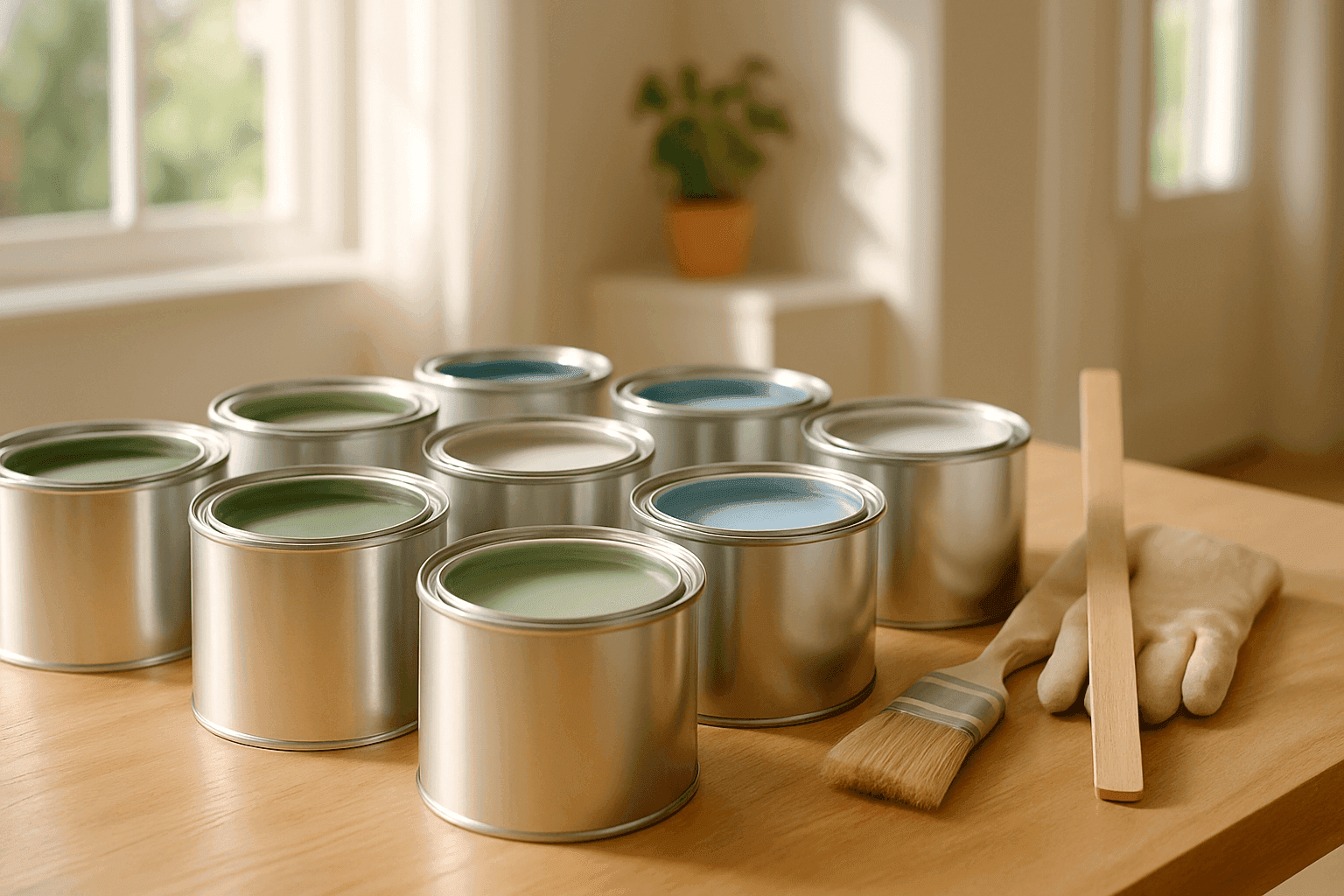
Home should be your sanctuary—not a place for strong chemical smells and invisible risks. Choosing the right paint isn’t just about color or finish. It’s about the air you breathe, the surfaces you touch, and the peace of mind you feel each day.
At Hire Heather House Painting, we know safe painting isn’t just for showrooms or magazines. It’s for families, pets, and anyone who wants to live well. Let’s walk through how to make eco-friendly painting choices that last.
Why Safe and Eco-Friendly Paints Matter
Picture a fresh coat of paint—clean, bright, inviting. Now imagine invisible fumes swirling in the air for days or weeks. That’s what happens when traditional paints release volatile organic compounds, or VOCs.
VOCs act like tiny hitchhikers, off-gassing into your home long after the walls look dry. The result? Headaches, sore throats, allergic reactions, and worse—especially for kids, seniors, or anyone with asthma.
Eco-friendly paints offer a better path. They keep the beauty and durability, but lose the lingering side effects. The Environmental Protection Agency (EPA) and the American Lung Association both recommend low-VOC or zero-VOC paints for indoor spaces.
How VOCs Work (And Why They Matter)
Think of VOCs like the steam from a hot cup of coffee—except it’s not just water vapor. VOCs are chemicals that evaporate at room temperature. These can include formaldehyde, benzene, and toluene. Over time, they drift into the indoor air and can build up, especially if windows are closed.
Low-VOC and no-VOC paints use safer ingredients. Safer for you. Safer for the planet.
Quick Safety Checklist 🛡️
Before you choose a paint, ask yourself:
- Does the label say “Low-VOC” (under 50 grams/liter for most latex paints)?
- Are there “Green Seal” or “Greenguard” certifications on the can?
- Does the paint avoid hazardous metals like lead or mercury?
- Are you painting in an area with good airflow (windows, fans)?
- Do you have a safe plan for leftover paint or cleanup?
If you can’t check most of these boxes, keep looking.
How to Read Paint Labels Like a Pro
Paint cans can be confusing. Here’s how to decode them:
- VOC Content: Look for “Low-VOC” (typically less than 50 g/L) or “Zero-VOC” (less than 5 g/L).
- Certifications: “Green Seal,” “Greenguard Gold,” or “EcoLabel” mean third-party standards for health and safety.
- Ingredients: Fewer mystery chemicals is better. Avoid phthalates, formaldehyde, and heavy metals.
- Intended Use: Some paints are made for bathrooms (mold-resistant), others for living rooms (washable), and each may have different formulas.
Ask at the paint store if you’re unsure. Don’t settle for vague answers.
Types of Eco-Friendly Paints for Your Home
Not all green paints are the same. Here’s a quick guide:
Latex (Water-Based) Paints
- Pros: Widely available, low odor, dries fast, easy cleanup with soap and water, often available in low-VOC formulas.
- Cons: Not all are truly low-VOC—always check the label.
Milk Paint
- Pros: Made from milk protein (casein), lime, and natural pigments. Biodegradable, very low odor, and often used for furniture painting or accent walls.
- Cons: Limited color range, can leave a matte, chalky finish some may not prefer, requires special surface preparation.
Natural Oil-Based Paints
- Pros: Use natural oils (like linseed or citrus) and mineral pigments. Durable and with richer finishes.
- Cons: Longer drying time, some natural oils can still have strong odors, may yellow over time, not always suitable for high-traffic surfaces.
Specialty Green Coatings
- For trims, cabinets, or floors: Seek out eco-friendly specialty coatings. Newer epoxy and floor paints now come in lower-VOC formulas. Always review the safety data sheet (SDS).
Proper Ventilation: Don’t Skip This Step
Even the safest paints need airflow. Open windows and doors. Use fans to push air out, not just around. If painting cabinets or closets, keep doors open and ventilate longer.
For larger jobs (like Surface Sealing near you or whole-home painting), consider using air purifiers with HEPA filters during and after painting. The CDC recommends airing out freshly painted rooms for at least 48–72 hours.
Safe Paint Disposal & Cleanup
Leftover paint is common. Don’t pour it down the sink or toss it in the trash. Here’s how to handle it:
- Store for touch-ups: Seal tightly, label the color, and keep away from heat.
- Dry out completely: For latex paints, let leftovers dry in a well-ventilated area, then dispose of solidified paint with regular trash (check your local rules).
- Drop-off programs: Many cities offer hazardous waste drop-offs for old or oil-based paints. The EPA’s Safer Choice program has resources for finding options near you.
Cleaning up? Use water for latex paints, and eco-friendly cleaners when possible. Avoid harsh solvents.
Preventing Indoor Air Quality Issues
Paint fumes can linger like a stubborn guest. To keep your air fresh:
- Use only as much paint as you need—less waste, fewer fumes.
- Paint when humidity is low and temperatures are mild.
- Never paint with children or pets in the room.
- Keep windows open and run exhaust fans.
- Store leftover paint outside living areas.
The American Lung Association stresses that improved ventilation and smart paint choices are the two biggest ways to protect your home’s air.
DIY vs. Call a Pro
Painting a wall? Many homeowners can tackle it themselves with time, patience, and preparation. But for larger projects—like Cabinet Painting, Surface Sealing near you, or Wallpaper Removal—there’s more at stake.
Pros bring:
- Expertise in reading labels and choosing products
- Professional-grade ventilation equipment
- Safe handling and disposal practices
- Speed and efficiency, limiting time your house is “under construction”
If you’re unsure, it’s safer to ask for help.
What Pros Do On Arrival
Here’s what happens when Hire Heather House Painting comes to your door:
- Assess surfaces, old coatings, and any special needs (like lead paint removal)
- Test for moisture or mold (especially on stucco or in basements)
- Recommend the safest, most sustainable products for your project
- Prep the area to contain dust and fumes—drop cloths, tape, and air movers
- Paint with precision, using proper rollers, sprayers, or brushes
- Clean up thoroughly and dispose of waste responsibly
You get a fresh, healthy home—without the mess or mystery.
Prevention & Maintenance
Keeping your new paint job healthy takes just a few steps:
- Wipe down walls regularly with a damp cloth (no harsh chemicals)
- Touch up scratches quickly to prevent peeling or flaking
- Use eco-friendly cleaners for stubborn marks
- For exterior painting, power wash gently once a year to prevent buildup
Regular care makes your paint last longer and keeps it safe.
Costs & Time Factors
Eco-friendly paints can cost a bit more than standard options—think of it as investing in peace of mind. Prices vary by brand, finish, and certification. Expect to pay around 10–30% more per gallon for true low-VOC or natural paints.
Timewise, many green paints dry faster (latex) but some, like natural oils, take longer between coats. Plan ahead, especially if painting busy rooms or large areas.
When It’s an Emergency
If you notice peeling, bubbling, or a strong chemical smell that won’t go away, act fast:
- Move children, pets, and sensitive people out of the room
- Open all windows and use fans
- Call a professional for assessment if you suspect mold, lead, or a chemical spill
The CDC and EPA both advise immediate ventilation and professional help when indoor air feels unsafe after painting.
FAQ: Common Questions About Eco-Friendly Paint
What’s the difference between low-VOC and zero-VOC paint?
Low-VOC means less than 50 grams per liter; zero-VOC is less than 5 grams per liter. Both are safer, but “zero” doesn’t mean “none”—some tints can add VOCs, so always check the final product.
Can eco-friendly paints be used in any room?
Yes! They’re especially good for bedrooms, nurseries, kitchens, and bathrooms—anywhere you spend time or where ventilation is tricky.
Do green paints last as long as conventional paints?
With good surface preparation and proper application, today’s eco-friendly paints are just as durable. Some may require more coats for full coverage.
How do I know if my old paint is hazardous?
If your home was built before 1978, there’s a chance of lead paint. The EPA recommends testing before sanding or scraping. Don’t try to remove it yourself—call a pro.
Local and Seasonal Considerations 🌦️
Humidity and temperature play a big role. Paint in spring or fall when possible—windows can stay open without freezing or overheating your home. In humid climates, drying may take longer, and you may need mold-resistant formulas.
If you’re near the coast or in a region with heavy rainfall, exterior paints and deck stains should be chosen for extra durability and mold resistance. Ask for products rated for your region.
Final Thoughts
Choosing safe, eco-friendly paint is about more than color or style. It’s about creating a home you can truly relax in—one breath at a time.
If you have questions, Hire Heather House Painting is here to help with Surface Sealing near you, color consultations, and all your painting needs. Let’s make your next project as safe as it is beautiful.
Call Hire Heather House Painting now — or reach us anytime at 877-753-7728 .