How to Prepare Any Surface for a Flawless Paint Finish
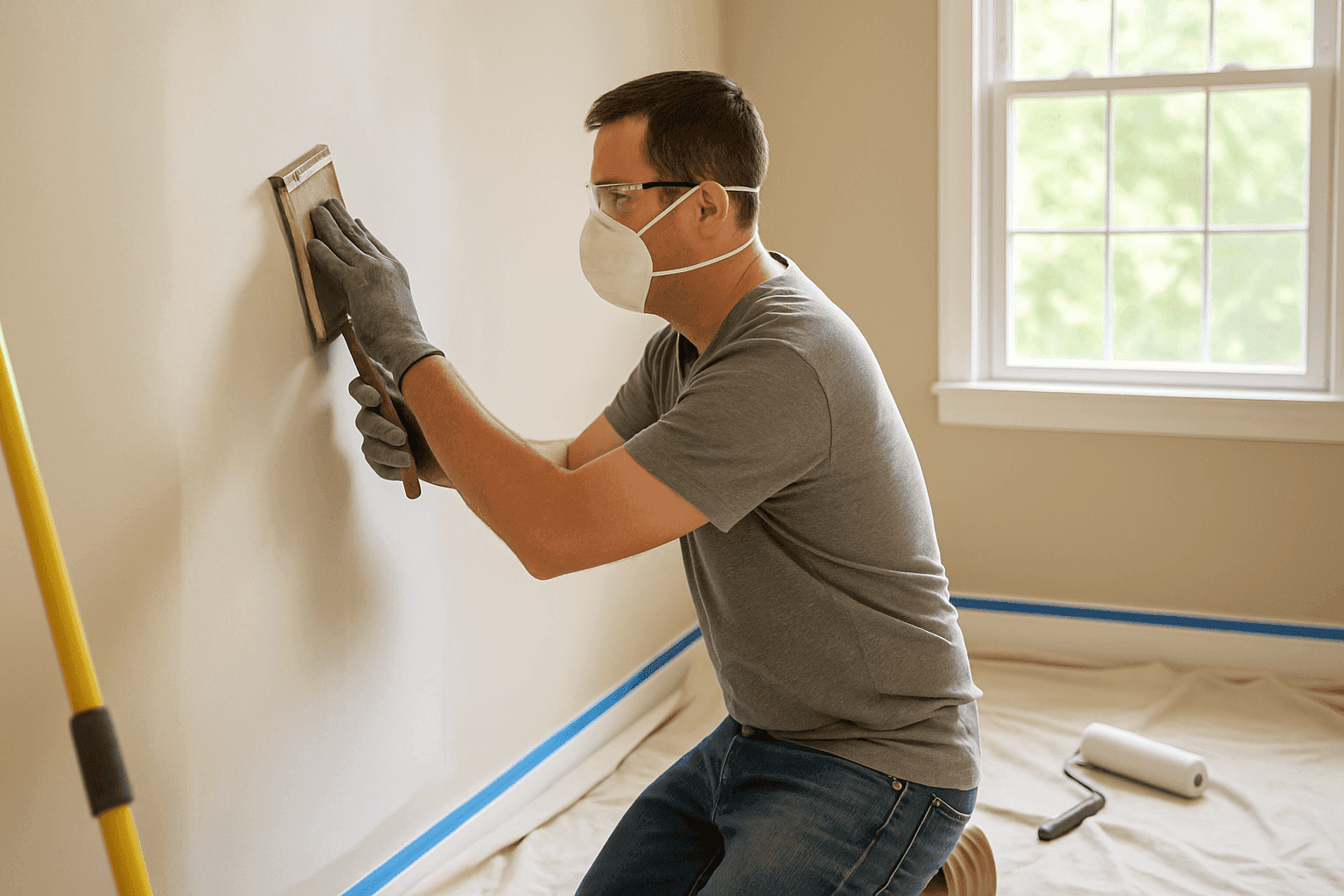
Ever tried painting a room, only to have the color peel, bubble, or just look...off? It’s frustrating. You pick the perfect shade and dream of that smooth, magazine-ready finish. But the tiniest flaw beneath the paint can stick out like a sore thumb—sometimes for years.
At Hire Heather House Painting, we’ve seen just about every kind of paint problem. And nine times out of ten, the culprit is poor prep. The good news? With the right steps, any homeowner can set the stage for a paint job that lasts and looks fantastic.
Why Prepping Your Surface Matters
Imagine painting over a dusty window. No matter how shiny the glass, dirt underneath ruins the view. Walls, cabinets, and even ceilings need the same level of care. Skipping prep is like trying to bake a cake in a dirty pan—the results just aren’t appetizing.
Proper surface preparation isn’t about perfectionism. It’s about giving your paint a fighting chance to stick, shine, and survive the scuffs of daily life. That means cleaning, patching, sanding, removing old finishes, and priming. Each step counts.
Quick Safety Checklist 🛑
Before you grab a roller, take a quick pause. Paint prep can stir up dust, fumes, and other hazards. Here’s how to stay safe:
- Wear a dust mask or respirator (especially when sanding).
- Use gloves when handling chemicals, paint strippers, or primers.
- Protect your eyes with safety goggles during sanding or scraping.
- Ventilate the space—open windows, set up fans, keep the air moving.
- Check for lead paint (homes built before 1978). The EPA has guidelines for safe removal.
- Keep children and pets out—paint and prep materials are not safe for little ones or furry friends.
- Read all product labels before use.
DIY vs. Call a Pro: Which Route is Right?
Some folks love the hands-on satisfaction of prepping and painting. Others want it done right, without the mess or hassle. Here's a quick breakdown:
DIY makes sense if:
- You’re working on a small area (like a bedroom or accent wall).
- You have time to research and gather supplies.
- You’re comfortable patching, sanding, and priming.
Call a professional for:
- Large or multi-room projects.
- High ceilings, stairwells, or hard-to-reach spots.
- Surfaces with heavy stains, water damage, or suspected lead paint.
- Jobs involving cabinets, metal, masonry, or textured finishes.
- When you want specialty coatings, mural painting, or flawless cabinet refinishing.
At Hire Heather House Painting, we have the tools and know-how to tackle anything from eco-friendly paint options to lead paint removal and graffiti cleanup.
What Pros Do On Arrival
When a painting crew arrives, they don’t just crack open a can and go. Here’s what you can expect from a professional prep routine:
1. Inspection
- Assess the surface: Are there cracks, mold, stains, or old paint that’s peeling? Is there wallpaper or glue residue? Every surface tells a story.
- Check for moisture: Especially in bathrooms, kitchens, and basements. Moisture can sabotage fresh paint.
2. Cleaning
- Walls and ceilings: Washed with mild detergent to remove dust, grease, and fingerprints.
- Trim and molding: Wiped down, sometimes with a degreasing agent.
- Cabinets and metal: Cleaned with TSP or a similar cleaner to cut through residue.
- Masonry: Scrubbed to remove efflorescence or mildew.
3. Repairs & Patching
- Fill nail holes, dents, and cracks with spackle or joint compound.
- Sand smooth when dry.
- For drywall: Tape and mud joints, sand for a seamless finish.
- For plaster: Patch with plaster or repair compound.
- For masonry: Use patching compound for chips or holes.
4. Sanding
- Walls and ceilings: Light sanding for adhesion.
- Trim, cabinets, and wood: Sanded to remove gloss, smooth imperfections, and ensure primer sticks.
- Metal: Scuffed up to help paint grip.
- Always dust off after sanding.
5. Removing Old Paint or Wallpaper
- Scrape loose paint with a putty knife.
- Steam or soak wallpaper before carefully peeling.
- Use paint removers for stubborn spots (follow safety guidelines).
- Dispose of old paint chips safely, especially if lead is a concern.
6. Priming
- Bare drywall or patched spots: Always prime.
- Stained areas: Use stain-blocking primer.
- Glossy or dark surfaces: Tint or select specialty primer for even color.
- High-moisture areas: Use mildew-resistant primer.
7. Masking & Covering
- Tape edges, outlets, and trim.
- Cover floors, furniture, and fixtures with drop cloths or plastic.
Surface-Specific Prep: Checklists
Walls (Drywall & Plaster)
- Remove dust, cobwebs, and any adhesive.
- Fill nail holes and dents.
- Sand seams, rough patches.
- Prime repairs and any bare drywall.
Ceilings
- Remove ceiling dust and stains.
- Patch cracks and water-stained areas.
- Sand and spot-prime repairs.
Trim & Molding
- Clean with degreaser.
- Fill gaps with caulk.
- Sand glossy or chipped areas.
- Prime for consistent finish.
Cabinets & Furniture
- Remove hardware and doors.
- Clean thoroughly (especially kitchen grease).
- Sand to dull old finish.
- Prime with bonding primer.
Metal
- Remove rust with wire brush or sandpaper.
- Clean with solvent.
- Apply rust-inhibiting primer.
Masonry & Concrete
- Scrub with stiff brush.
- Repair chips, cracks.
- Etch surface if needed for paint adhesion.
- Prime with masonry primer.
High-Moisture & Textured Surfaces
- Dry the area fully before painting.
- Use mildew/mold cleaner as needed.
- Choose primers and paints rated for moisture.
Previously Painted Rooms
- Test for lead if old.
- Remove flaking/peeling spots.
- Wash away grease and stains.
- Sand glossy finishes.
Tools You’ll Need
- Drop cloths and masking tape
- Spackle, joint compound, patching materials
- Putty knife, scraper
- Sandpaper (various grits), sanding block or pole
- Cleaning supplies (sponge, mild detergent, degreaser)
- Paintbrushes, rollers, trays
- Dust mask or respirator, gloves, goggles
Prevention & Maintenance
A little prep now saves headaches later. Here’s how:
- Power washing exteriors helps prep for paint and removes mold.
- Surface sealing near you keeps out water and extends paint life.
- Deck and fence staining protects wood from sun and rain.
- Regular touch-ups on trim and high-traffic areas stop small chips from spreading.
- Address leaks and water issues before painting to prevent future bubbles or peeling.
Costs & Time Factors
Prepping is often the most time-consuming part of painting. Here’s what to expect:
- Small rooms: A few hours for cleaning, patching, sanding, and priming.
- Large or damaged areas: Several days, especially when drying and curing times are needed.
- Specialty surfaces (cabinets, metal, textured walls): Add time for extra sanding, cleaning, or special primers.
- Professional prep costs more than DIY—but can save you the trouble of redos, wasted paint, or early failure.
Remember, labor and material costs vary. The more damaged or dirty the surface, the more time and supplies you’ll need.
When It’s an Emergency
Some paint prep can’t wait. Call for help if you find:
- Peeling, bubbling, or cracking paint—especially if it’s sudden or widespread.
- Mold, mildew, or water stains—these can signal deeper moisture problems.
- Chipping paint in older homes—could be lead, which needs special handling.
- Smoke, fire, or chemical damage—these often require professional restoration and sealing.
FAQ
Q: Can I skip sanding if the wall looks smooth?
A: Even if it looks smooth, a quick sanding helps paint stick better and last longer.
Q: Do I always need to use primer?
A: Not always, but it’s vital on bare surfaces, repairs, stains, or when changing from dark to light colors.
Q: How do I know if my old paint has lead?
A: Homes built before 1978 may have lead paint. Use a lead test kit or speak with a certified professional.
Q: What if my wall has mold or mildew?
A: Clean with a mold remover and fix any leaks before painting. Mold can ruin new paint quickly.
Local & Seasonal Considerations 🌦️
Humidity, temperature, and weather matter. Paint and prep products work best between 50–85°F. Too cold, and paint won’t cure. Too humid, and you risk bubbling or slow drying. In spring and fall, open windows for air flow. In winter or during wet weather, use fans and dehumidifiers indoors.
If you’re staining a deck or fence, wait for several dry days. For exterior work, keep an eye on local forecasts and aim for mild, dry spells.
A flawless paint finish always starts with a solid foundation. Whether you’re tackling a single wall or a whole house, quality prep is the secret ingredient. If you want your paint to last—and look stunning—don't cut corners.
Call Hire Heather House Painting now — or reach us anytime at 877-753-7728 .