Understanding Lead Paint Risks and Safe Removal in Older Homes
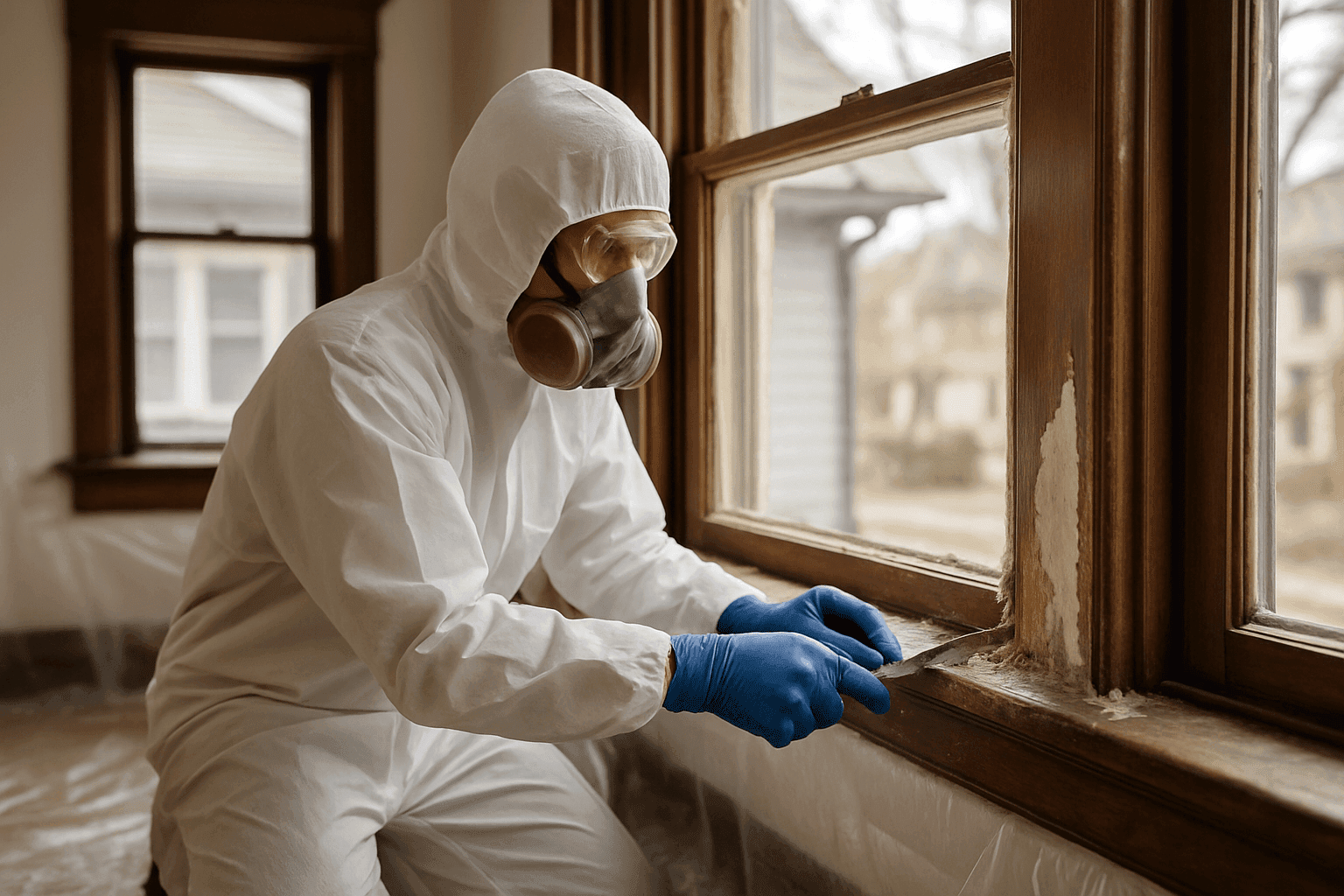
Does your home feel like a time capsule—full of character, with creaking floors and tall baseboards? Homes built before 1978 have a story to tell. But sometimes, that story is laced with danger.
Lead paint is a hidden risk that’s not always visible. If your house predates disco, it’s wise to pause before sanding, scraping, or painting. At Hire Heather House Painting, we help families like yours stay safe while preserving the charm of older homes.
The Problem: Why Lead Paint Still Matters
Picture an old painted window frame. Every time it’s opened or closed, tiny bits of paint may flake off, turning into dust. It’s easy to ignore—until you realize those flakes may contain high levels of lead.
Why does this matter? Lead is toxic. Even a small amount can cause serious health problems, especially in children and pets. According to the U.S. Environmental Protection Agency (EPA) and Centers for Disease Control and Prevention (CDC), lead exposure can harm brain development, slow growth, and cause learning or behavior problems.
Signs Your Home May Have Lead Paint
- Built before 1978 (especially before 1950)
- Peeling, cracking, or chalky paint on trim, sills, or walls
- Sticky windows or doors with visible paint dust
- Painted surfaces that have never been replaced or stripped
Quick Safety Checklist 🛑
Before you start any painting or renovation project, run through these essentials:
- Check the year your home was built.
- Keep children and pets away from peeling paint.
- Don’t sand, scrape, or power wash painted surfaces until you’re sure about lead content.
- Use EPA-recognized lead test kits to check suspect areas.
- Wear disposable gloves and a certified respirator if handling old paint.
- Wash hands and change clothes after working in suspect rooms.
- Never dry sweep or vacuum lead dust—use a HEPA-filter vacuum or wet mopping.
DIY or Call a Pro? Making the Right Choice
Lead paint removal isn’t like repainting a fence or adding a splash of color to an accent wall. It’s more like defusing a ticking clock. Some things are best left to trained hands.
When DIY Might Be Okay
- Small areas (less than 6 square feet per room, per EPA guidance)
- You’re confident using proper PPE (personal protective equipment)
- You follow all local regulations for disposal
When to Call a Certified Professional
- Large areas, cracked or peeling paint, or dust you can’t control
- Interior or exterior painting that requires sanding, scraping, or demolition
- You have children, pregnant people, or pets in the home
- You’re unsure about compliance or the right containment methods
Professional teams, like Hire Heather House Painting, are EPA Lead-Safe Certified and understand the rules. We use specialized tools, controlled work zones, and disposal methods that keep your family safe and meet all legal requirements.
What Pros Do On Arrival
A professional lead paint removal team brings a process as thorough as spring cleaning—and twice as careful.
Step-by-Step Approach
-
Assessment & Testing
We inspect surfaces, often using EPA-approved lead test kits or XRF (x-ray fluorescence) analyzers. -
Create a Safe Work Area
Plastic sheeting seals off the work zone—think of it as a “paint quarantine.” Air vents are covered, and negative air machines may be used. -
Containment
All doors, windows, and floors are protected. Tools are cleaned before leaving the zone. -
Removal or Encapsulation
- Wet scraping and chemical stripping reduce dust.
- Encapsulation: Sometimes, a special sealant is applied over lead paint, locking it in place.
- Removal: Where needed, paint is carefully stripped away.
-
Cleanup
- HEPA vacuums pick up dust.
- All debris is double-bagged and disposed of per local hazardous waste rules.
- Surfaces are wiped down with damp cloths.
-
Final Clearance
- Surfaces are tested again to ensure no lead dust remains.
- The area is reopened only when safe.
Throughout, the focus is on protecting your air, surfaces, and loved ones.
Prevention & Maintenance
Once lead paint is gone, you want to keep your home safe and beautiful.
Simple Steps
- Repaint surfaces with high-quality, lead-free paints.
- Regularly inspect painted areas for chips or cracks—fix them quickly.
- Clean floors and windowsills with damp cloths often.
- Schedule routine surface sealing near you to add a protective barrier.
- Avoid sanding or disturbing painted areas unless you’re sure they’re lead-free.
If you’re unsure, call a painting professional. They can recommend safe paints, finishes, and maintenance plans.
Costs & Time Factors
Lead paint removal isn’t a quick weekend project. Think of it more like careful surgery than a haircut.
What to Expect
- Cost factors: Size of area, accessibility, level of contamination, and required repairs.
- Time: A small project (like a window frame) may take a day, while whole-home projects can span several days or weeks.
- Additional costs: Proper disposal, containment materials, and final testing.
You’re paying for peace of mind—and legal compliance. Cutting corners can lead to hefty fines, or worse, health problems for your family.
When It’s an Emergency
Some situations demand urgent action:
- Children or pregnant people are exposed to peeling paint or dust.
- Renovation work begins before lead testing is done.
- Flooding, fire, or storm damage disturbs old painted surfaces.
If this happens, stop work immediately. Move kids and pets out of the area. Call a certified painter or abatement specialist right away.
Frequently Asked Questions
How do I know if my paint contains lead?
Homes built before 1978 are at high risk. Use an EPA-approved home test kit, or hire a professional for a full assessment.
Is it safe to just paint over lead paint?
Sometimes. Encapsulation with a special sealant can be safe, but only if the original paint is in good condition—not peeling or cracking.
Can I remove lead paint myself?
It’s legal for homeowners to tackle small projects, but strict rules apply. Always wear protective gear, use wet methods, and follow your state’s disposal laws.
What happens if lead dust gets into my HVAC system?
This can spread contamination throughout your home. Professional containment, HEPA filters, and post-project cleaning are a must.
Local & Seasonal Considerations 🌦️
In colder climates, windows and doors stay closed, which can trap lead dust indoors. Spring and summer renovations mean more dust and open windows—raising the risk of spreading particles. Always time projects when you can safely ventilate rooms and keep family members out of work zones.
If your area has strict hazardous waste laws, disposal can be more complex—another reason to hire a pro.
Wrapping Up: Protect What Matters
Lead paint isn’t just a relic of the past—it’s a real, invisible threat in many older homes. But with the right steps—and the right team—you can keep your family safe and your home beautiful.
Whether you need surface sealing, full painting, or safe lead paint removal, Hire Heather House Painting is ready to help. We’re passionate about preserving your home’s history, safely and responsibly.
Call Hire Heather House Painting now — or reach us anytime at 877-753-7728 .