Deck Painting vs. Staining: Which Is Best for Your Home?
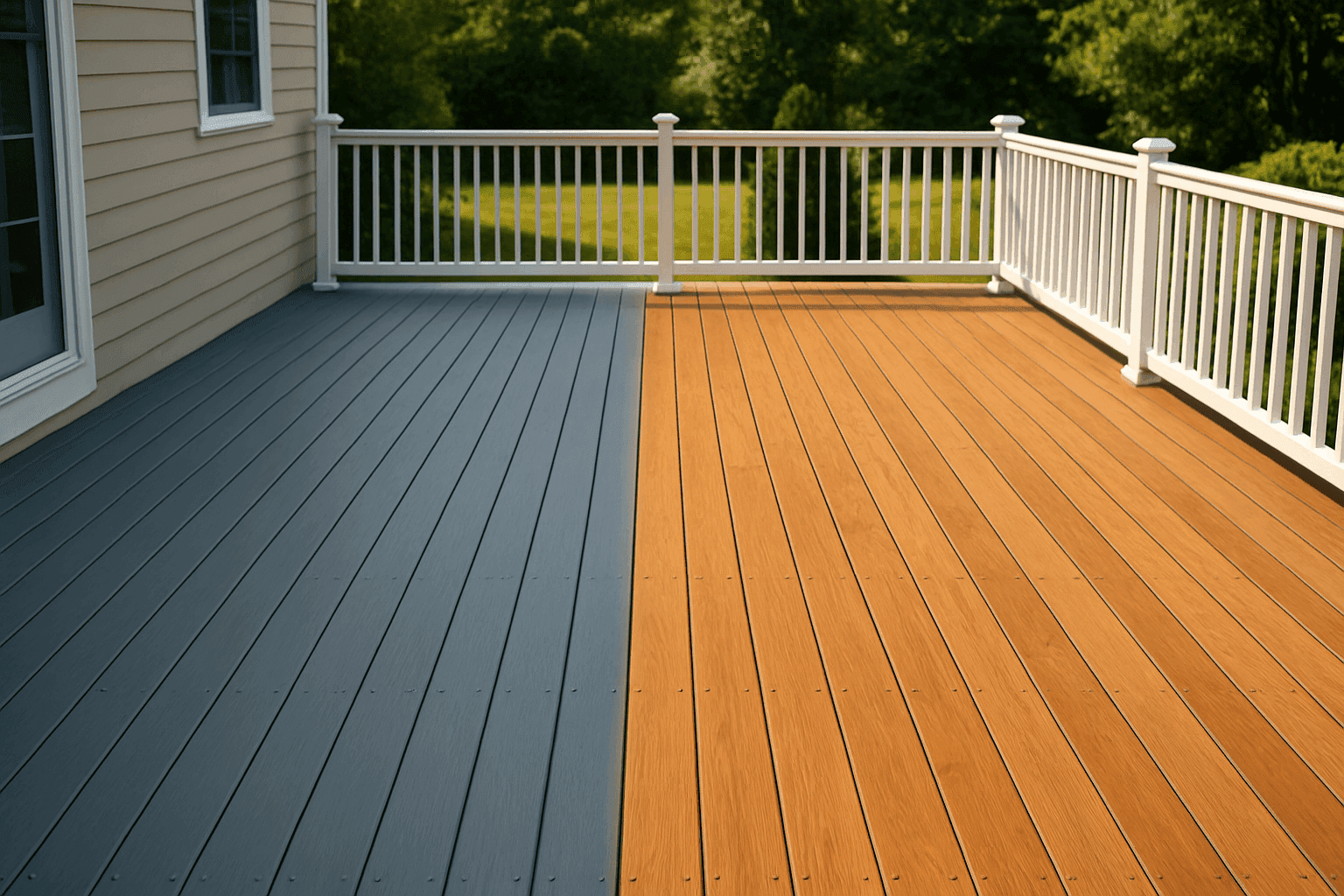
Is your deck looking tired and worn? Maybe the old finish is peeling, or water soaks in instead of beading up. Deciding between painting and staining is like choosing between a sharp suit or a classic pair of jeans—both protect, but each says something different about your style and priorities.
At Hire Heather House Painting, we’ve helped hundreds of homeowners weigh the pros and cons. Let’s break it down so you can feel confident in your next step.
Which Option Fits Your Deck’s Story?
Every deck has a history. Some are smooth and new, others have weathered more storms than you can count. Choosing between painting and staining isn’t just about color—it’s about what your deck needs to thrive.
Painting forms a solid film on top of the wood. It covers flaws, offers bold colors, and can last longer in some cases. Staining seeps into the grain, showing off wood’s natural beauty, and usually needs touch-ups more often. Your decision shapes how your deck looks, feels, and stands up to the elements.
Appearance: Bold vs. Natural
- Paint gives you endless color options, from crisp whites to deep blues. Want your deck to match your home’s trim or stand out as a focal point? Paint covers old stains and repairs, hiding imperfections.
- Stain highlights the wood’s grain. Choose clear, semi-transparent, or solid stains based on how much you want to show off. Stain brings out character, like freckles in sun-kissed skin.
Durability: Who Wins the Long Game?
- Painted decks resist UV rays and moisture, but can peel or chip—especially in high-traffic areas. You’ll need to sand and repaint if it starts to fail.
- Stained decks may fade, but they rarely peel. Stain is easier to reapply, especially if you keep up with seasonal care.
Weather Protection & Slip Resistance
- Paint acts like a raincoat, sealing out water. But if moisture sneaks in through cracks, it can bubble up or peel.
- Stain soaks in, letting the wood breathe. Some stains add slip resistance—important if your deck gets wet or icy.
Maintenance: Quick Fixes or Deep Resets?
- Painted decks need more prep when it’s time to refresh. Old paint must be scraped and sanded before new coats go on.
- Stained decks are more forgiving. Clean, re-stain, and go.
Cost Factors
- Painting usually costs more upfront: more prep, more coats, and sometimes pricier materials.
- Staining is often quicker and cheaper, but may need more frequent upkeep.
Quick Safety Checklist 🛠️
Before you open a can of anything, make sure you’ve checked:
- Lead risk: If your deck was painted before 1978, test for lead. (See EPA’s RRP Rule for home safety.)
- Surface Sealing near you: Proper sealing keeps water out, whether you paint or stain.
- Ventilation: Work outdoors or with plenty of airflow.
- Protect plants and pets: Cover landscaping and keep animals away until dry.
- Read product labels: Some stains and paints require masks or gloves.
DIY or Call for Help?
Rolling up your sleeves? Painting or staining a deck takes patience, prep, and the right weather window. Here’s a reality check:
- DIY Pros: Save money. Satisfying results. Learn a new skill.
- DIY Cons: Prep work is messy. Weather delays. Risk of uneven coverage or missed steps.
If your deck is large, multi-level, or has peeling paint, calling in a pro like Hire Heather House Painting can save time, stress, and future headaches.
What Pros Do On Arrival
When you call us, here’s what happens:
- Inspection: We assess wood condition, old coatings, and moisture issues.
- Testing: We check for lead paint, mildew, or rot.
- Surface Preparation: Power washing, sanding, and repairs come first.
- Color & Product Consultation: We help you choose the right paint or stain for your deck and climate.
- Application: Using rollers, brushes, or sprayers for a smooth, lasting finish.
- Cleanup: No mess left behind.
Prevention & Maintenance
A little care goes a long way:
- Sweep debris weekly.
- Power wash gently every spring.
- Reapply stain every 2–3 years, or paint every 5–8 years, depending on wear.
- Inspect for splinters, loose boards, or nails.
- Avoid dragging furniture—lift instead.
- Use mats in high-traffic areas.
The National Association of Home Builders recommends annual inspections for safety and finish wear. Keeping up means fewer big repairs later.
Costs & Time Factors
- Painting usually takes longer: allow for extra prep, drying, and curing. Expect several days, especially in humid conditions.
- Staining is faster—often done in a weekend if the weather cooperates.
- Material costs vary: premium paints and stains can cost more upfront but last longer.
- Don’t forget tools: brushes, rollers, sprayers, tape, drop cloths.
When It’s an Emergency
Sometimes, waiting isn’t an option:
- Slippery surfaces after rain or frost? That’s a safety hazard. Non-slip additives or textured finishes help.
- Rot, mold, or soft spots? Address immediately—these can threaten your deck’s structure.
- Peeling paint or stain: Left unchecked, water gets in and speeds up damage.
In these cases, Surface Preparation and sealing are urgent. If you’re unsure, it’s time to call a pro.
FAQ: Deck Dilemmas
How do I know if my deck needs painting or staining?
If you want to hide flaws or change color completely, paint is your friend. If you love the wood’s look and want easier upkeep, stain is a great pick.
Can I stain over paint or vice versa?
Generally, no. Old paint must be removed before staining. Solid stains may cover old stains, but clean surfaces are key for either.
How long do I have to stay off the deck?
Paint: 24–48 hours for light use, up to a week for heavy furniture.
Stain: Usually 24 hours, but check the product label for specifics.
What about eco-friendly options?
Look for low-VOC (volatile organic compounds) paints and stains. They’re better for your family and the planet. Ask about “Eco-Friendly Paint Options” when you call.
Local & Seasonal Considerations 🌦️
Decks in wet climates need finishes that repel water. In sunny spots, UV protection is a must. The best time to paint or stain? Late spring or early fall—mild temperatures, low humidity, and no rain in the forecast.
If you’re in an area with harsh winters or lots of sun, reapply finishes more often. Snow and salt shorten a deck’s life. Regular inspections after storms help catch problems early.
Final Thought
Your deck is where memories happen—barbecues, sunsets, quiet mornings with coffee. Whether you paint or stain, a little care now keeps those moments coming for years to come.
Call Hire Heather House Painting now — or reach us anytime at 877-753-7728 .